Returns Portals
Choosing return collection options for bulky products
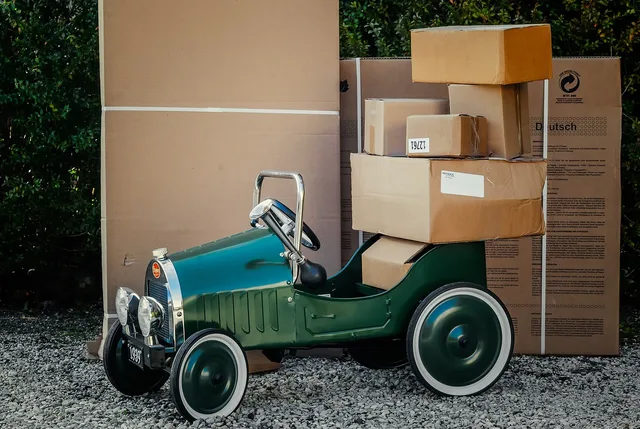
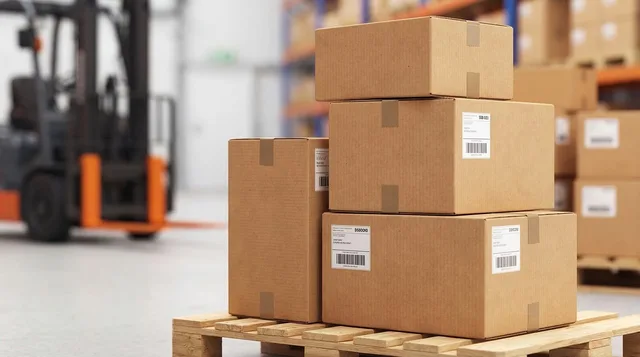
Plan a bulky return collection by checking consumer-guarantee responsibilities, service limits, access, handling and proof of handover.

Author
Subject: Ecommerce returns operations. Which details change the comparison? Practical guides, comparisons and the questions behind a choice form this editorial remit. William A. Smith is the editorial byline assigned to this area. The emphasis is on useful distinctions rather than a universal recommendation. This is an editorial pen name used by the publication, not a claim of an independently verified personal identity.
Returns Portals
Plan a bulky return collection by checking consumer-guarantee responsibilities, service limits, access, handling and proof of handover.
Returns Policy
Write checked model, connection and version limits so buyers can judge compatibility before ordering and retailers can assess reported mismatches.
Returns Policy
Record the return decision, completed remedy and outstanding tasks before telling a customer what has been resolved.
Returns Policy
Design return-reason questions that preserve the customer's account, support staff review and avoid misleading categories in an Australian returns portal.
Returns Policy
Weigh each return check against the decision it clarifies, the genuine claims it delays and the evidence it actually adds.
Returns Portals
Turn process-audit findings into a software brief and compare Shopify, AfterShip and Loop against actual gaps and plan limits.
Returns Policy
Plan cross-border returns by separating the customer outcome from the item route, then checking local receipt, overseas shipping, customs records and costs.
Returns Data
Distinguish fit, quality and expectation complaints while preserving the customer's account and assessing rights separately.
Exchange Workflows
An exchange replaces the item a customer does not want with one that better fits their need.
Returns Policy
Explain which return step is delayed, what the retailer is doing and when the customer will receive another update.
Returns Policy
Tell buyers where an international return may go, who arranges transport and how product problems are handled before they order.
Returns Policy
Turn store return instructions into clear customer actions, with plain wording for product problems and change-of-mind requests.
Exchange Workflows
When the replacement costs more or less, show the customer the calculation before processing.
Returns Policy
Explain a returned-item condition disagreement fairly: name the disputed question, separate observations from cause and offer a review path.
Returns Data
Turn specific sizing complaints into checked garment measurements and clearer size choices, then review later feedback without overstating the result.
Refund Operations
“Processed” can describe the merchant or provider step, while the customer's bank has not yet posted the credit.
Refund Operations
A partial refund can resolve one missing item or a price adjustment while the rest of an order remains valid.
Returns Data
Map each return hand-off, owner and completion event so an online retail case can be followed from request to final outcome.
Refund Operations
Refund reconciliation is a bridge between three views: the store order, the payment-provider movement and the accounting entry.
Returns Data
Record a return’s arrival condition, images, tests and later changes consistently, while keeping observations separate from cause and remedy decisions.
Returns Policy
Choose a supported product, information or packing change to prevent recurring returns, then review later complaints without restricting customer remedies.
Refund Operations
Find where returned items wait, separate exception queues and set an inspection target based on your operation.
Reverse Logistics
Choose a return route, prepare accurate labels and follow parcel handover while accounting for Australian return-cost responsibilities.
Returns Policy
Communicate clearly with Australian customers from a return request through assessment, delays, remedy and follow-up.
Returns Data
Set proportionate checks for return misuse while preserving consumer-guarantee claims and a clear route for disputed cases.
Exchange Workflows
A practical guide to handling online returns in Australia, from the first request and remedy decision to item receipt, resolution and review.
Returns Portals
Plan a returns portal that captures useful requests, explains the next step and routes Australian consumer-guarantee claims for assessment.
Reverse Logistics
A warehouse workflow for receiving, holding, routing and reconciling returned stock in Australia.
Reverse Logistics
A destination map for returned items, from inspection queues to approved stock and controlled holds.
Returns Data
Classify return spending by obligation, promise and preventable process work, then test a realistic saving without weakening customer outcomes.
Exchange Workflows
Sending a replacement before receiving the original can reduce downtime for a customer, but it changes the business's risk.
Returns Data
Assess a product fix using affected orders, comparable return periods and the complaint the change was meant to address.
Returns Data
Connect the sale, return, parcel declaration and border records for returned goods, then check any concession against the actual item history.
Returns Data
An exchange completed is not proof that it retained a customer.
Returns Policy
Write return updates that tell customers the last confirmed event, the current action and when they will hear from the retailer again.