Returns Data
Returned product inspection
A practical inspection workflow for Australian retailers: match returned items, record findings, hold uncertain stock and pass evidence to the remedy decision.
Inspect a returned product to establish what arrived, its condition and what still needs checking. Match it to the return case, record its arrival state before testing or changing it, and pass the findings to the person deciding the customer’s outcome. An inspection grade does not decide that outcome.
Match the item to the case
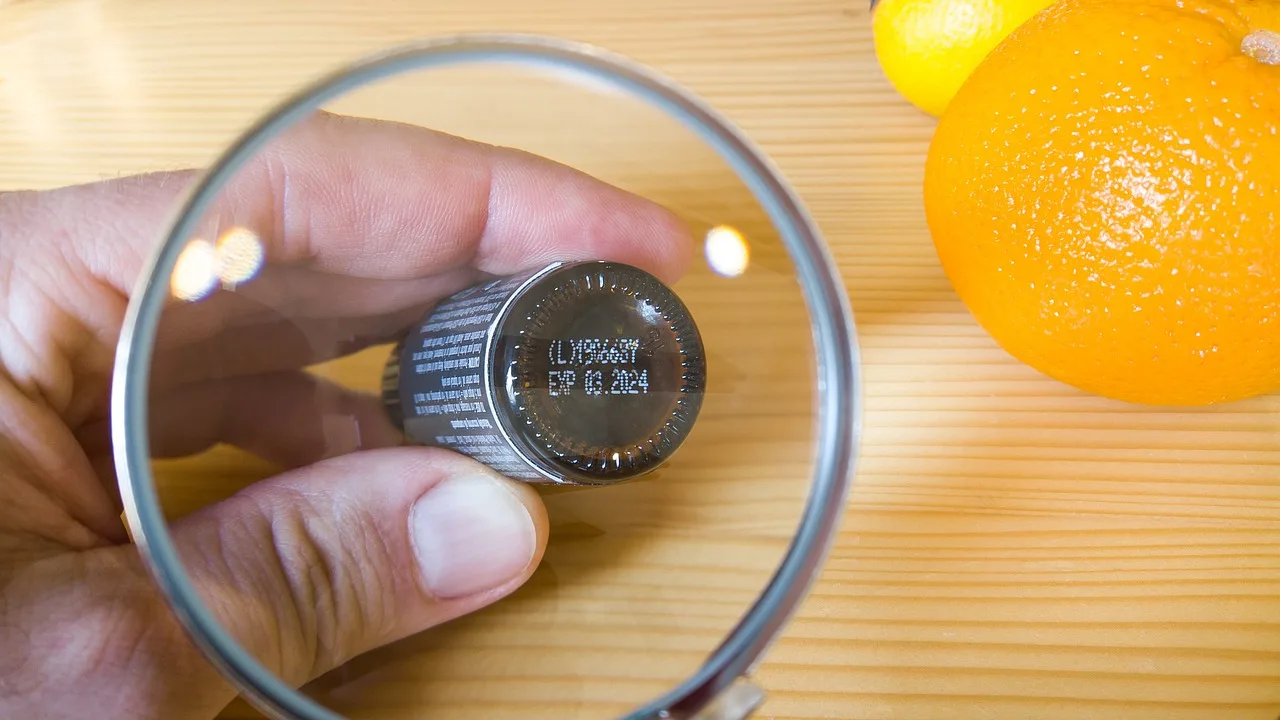
Record the receiving date, parcel reference, affected order line, model or variant and quantity. Give each item in a multi-item parcel its own finding. Hold an item that cannot be matched instead of assigning it to a plausible order.
Keep the customer’s account visible. “Will not switch on” identifies a problem to investigate; “change of mind” may call for a condition check under the store’s offered policy. Neither label is an inspection finding.
Inspect in a repeatable order
- Record the parcel and item as received, including visible damage or signs of opening.
- Confirm the model, variant and identifiable components against the order and relevant product information.
- Check surfaces, connections and parts relevant to the reported issue. Describe observations before considering a cause.
- Perform only checks staff can carry out safely with the available training and equipment.
- Record what was checked, the result, and what could not be checked and why.
“Outer carton crushed; housing cracked at the corner; power test not attempted” records observations and a test limit. It does not establish what caused the crack.
Hold uncertain or unsafe items
An unopened box does not establish that its contents are complete. A working power indicator does not settle a reported intermittent fault.
Keep an item unavailable for resale while a necessary assessment or safety decision remains open, and assign the next check an owner.
Escalate a suspected safety issue through the retailer’s product safety process. A brief bench check cannot clear a suspected risk or establish its cause.
Route suspected safety risks appropriately
The ACCC works with other regulators to address product safety risks, including through mandatory standards and voluntary recalls. An inspection finding can inform escalation but is not a safety clearance.
Pass findings to the remedy decision
A retailer may assess a reported product problem before providing a remedy. For goods that fail a statutory guarantee, a consumer may ask the supplier to fix them. If the fault is considered major, the consumer has the right to ask for a repair, replacement or refund.
If the failure is not major, the consumer can require the supplier to remedy it within a reasonable time. Repair is one way to do this, and the supplier may choose to refund or replace the goods instead.
Give the case owner the customer’s report, item and part count, observations, test results and limits, and any specialist finding. Say when the cause remains undetermined.
Record the customer decision separately from the stock decision: a remedy may be due while the item’s destination is still being assessed.
Hand off repair assessment
When assessing a reasonable time for a remedy, the nature of the goods and the time needed may be relevant.
Key Statutory Guarantee Principles (Australia)
- Repair within reasonable time
- Varies by product type and circumstances
- Refund or replacement rights
- Available if repair is impractical or fails
- Timeframe for remedies
- Must be reasonable – consider complexity and availability of parts
- GST implications
- Refunds include GST where applicable
- ABN requirement
- Businesses must have an ABN for refunds and claims processing
Close the inspection record
Record the inspector, date, findings, outstanding checks and hand-off. Add later opening, testing or part changes as dated events so the arrival state remains clear.
In this guide
- Creating an inspection checklist by product typeBuild a returned-product inspection checklist with shared fields, product-specific checks, safe stopping points and room for uncertain findings.
- Recording condition with consistent evidenceRecord a return’s arrival condition, images, tests and later changes consistently, while keeping observations separate from cause and remedy decisions.
- Distinguishing a product defect from transit damageCompare dispatch, delivery and inspection evidence without treating a damaged or intact carton as proof of where a returned product’s problem began.
- Handling returned items with missing partsCheck what a returned product should contain, count what arrived and resolve missing-part questions without assuming cause or blocking consumer-guarantee claims.